
Online Relationship Coaching for Couples
The same argument, again. And each time, something closes between you.
You still care about each other — but you are starting to feel hopeless. Structured coaching helps couples resolve what has built up, before it becomes permanent.
Why Relationships Get Stuck
The arguments are not
the problem.
Resentments are.
When feelings get hurt and needs go unmet — and those moments are never talked through properly — resentments build up. Once they do, nothing else works well. Communication gets harder. Closeness fades. The same arguments keep coming back because the real problem was never fixed.
This may sound familiar:
- The same argument keeps returning, even when you try to approach it differently
- Emotional distance has grown and the warmth feels harder to access
- Communication becomes defensive, reactive, or simply shuts down
- You still care deeply about each other, but don't know how to move forward
"Resolving resentments is the first step. Once they are cleared, everything else — communication, closeness, connection — becomes possible again."
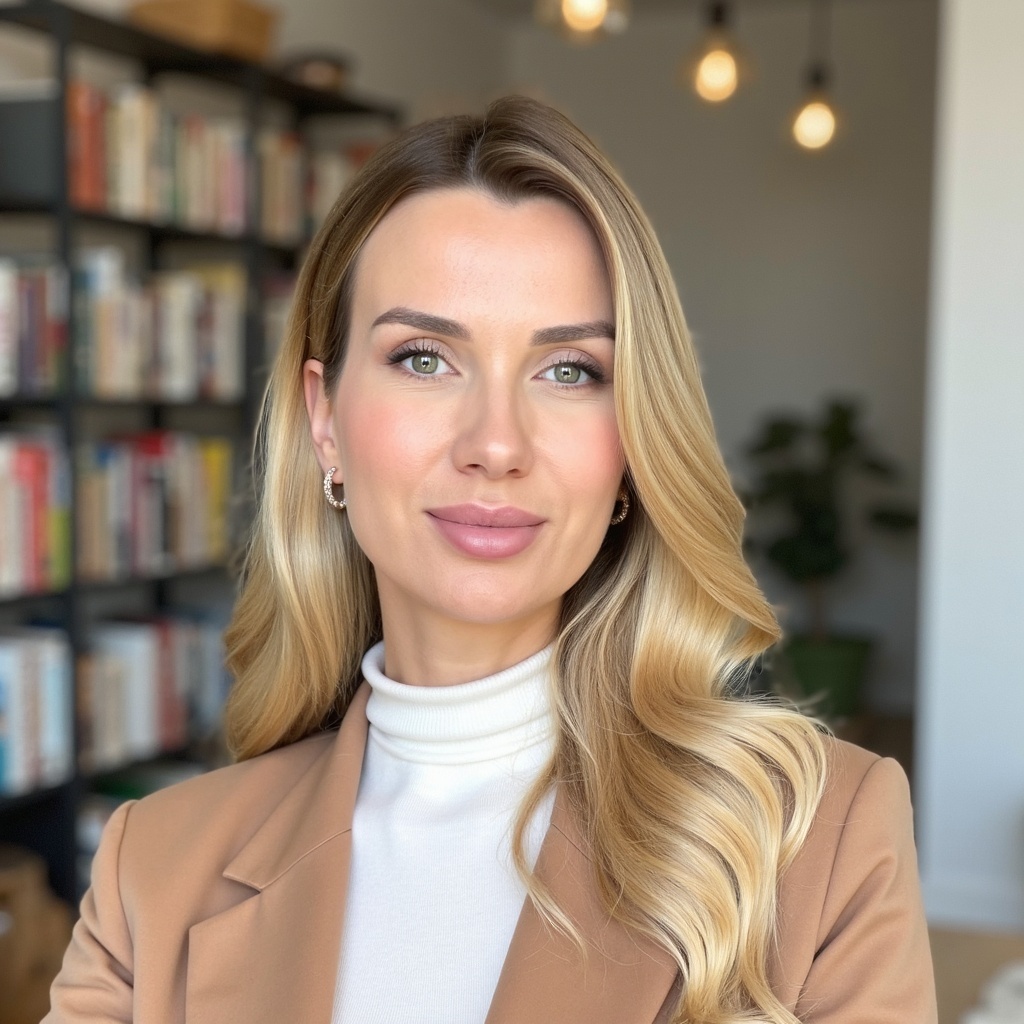
Magdalena PaccagnanThe Framework
A clear process — from resentments to genuine reconnection.
All formats follow the same structured arc. Resentments are resolved first — everything else follows from there.
Resolve Resentments
We work through each unresolved hurt one at a time — calmly, step by step, with a clear method. This is the root problem. Once resentments are cleared, hope comes back and the relationship starts to feel different right away.
Rebuild Communication
With resentments resolved, the focus shifts to how you communicate — especially during hard moments. You learn practical tools to stay calm, say what you really mean, and listen to each other better.
Strengthen Connection
With less tension and clearer communication, real closeness becomes possible again. The relationship stops being about managing conflict and starts being about building something better together.
Ways to Work Together
The right format depends on how many resentments you carry.
Most couples start with the intensives. Each half-day intensive is a 3-hour focused session — like 3 to 4 weekly appointments packed into one, without the long gaps in between. The process always starts with resolving resentments. How many intensives you need depends on how many you are each carrying — not on a fixed package. We work this out together on a free 15-minute call before you commit to anything. Single sessions are also available as a lighter first step, or to continue after the intensives.
Break the Pattern
Half-Day Intensive · from €320
One concentrated 3-hour session focused on resolving resentments — the equivalent of 3 to 4 weekly appointments. Book one intensive and decide from there. No fixed package, no ongoing commitment.
Learn More →Create Lasting Change
4 Half-Day Intensives · €1,150
Four concentrated intensives for couples with a larger or deeper set of resentments. Includes additional support between sessions — emergency calls, worksheets, a communication tools guide, and a closing reflection session.
Learn More →Single Sessions
45 minutes · €90 per session
For couples continuing after the intensives — building communication tools, going deeper at a steadier pace. Also available as a gentle first step for couples who want to experience the process before committing to an intensive.
See Session Options →Client Experience
A calmer, more constructive way forward.
We had been repeating the same arguments for years and did not know how to change the pattern. This process helped us understand what was happening between us and gave us a more practical way to repair things. Structured, supportive, and genuinely helpful.
Magdalena's support was essential for us. She was patient, professional, and introduced effective relationship tools with clear and thoughtful guidance. The process felt structured, respectful, and genuinely helpful.
We came in feeling like we were going in circles. After the intensive sessions we had actual tools we could use. The format was demanding in the best way — focused, no distractions, real progress.
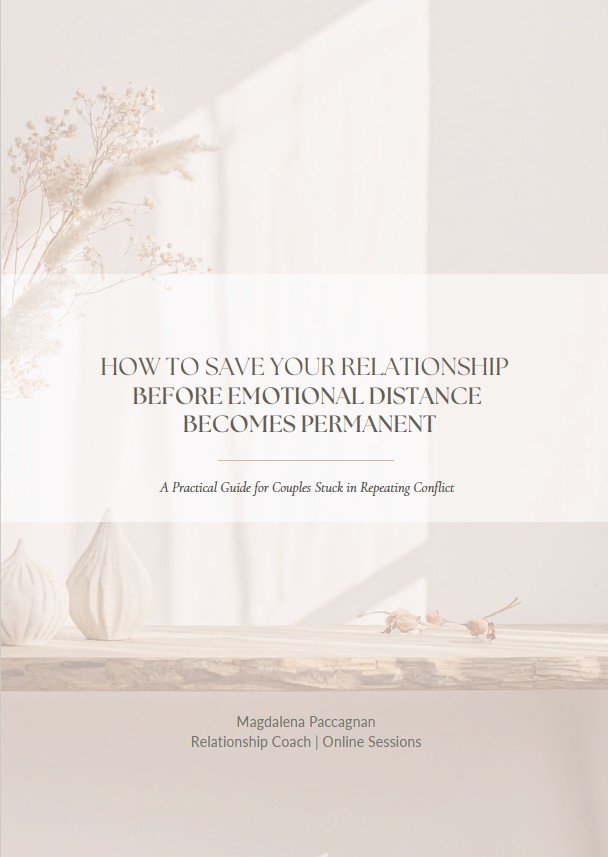
Free Guide
Save your relationship before emotional distance becomes permanent.
A practical guide for couples stuck in repeating conflict. Four steps you can apply this week — no session required, no commitment needed.
- Why most attempts to "fix" a relationship don't work
- The one pattern that keeps most couples stuck
- Four practical steps you can start immediately
- How to know when structured support would actually help
Free. No spam. Unsubscribe anytime. You will receive a confirmation email — please click the link to complete your subscription.
About Magdalena
Relationship coaching with structure, clarity, and practical direction.
I work with couples who want to fix what has built up between them — not talk about it forever, but actually work through it. I start with resentments, because that is almost always where the real problem is.
Sessions are calm, structured, and practical. We move forward — not in circles.
Start Here
Begin with a free consultation.
We look briefly at what is happening in your relationship, identify roughly how many resentments you are each carrying, and decide together which format is the right next step. No pressure, no commitment.
Free 15-minute consultation · No pressure · Private conversation · Online worldwide